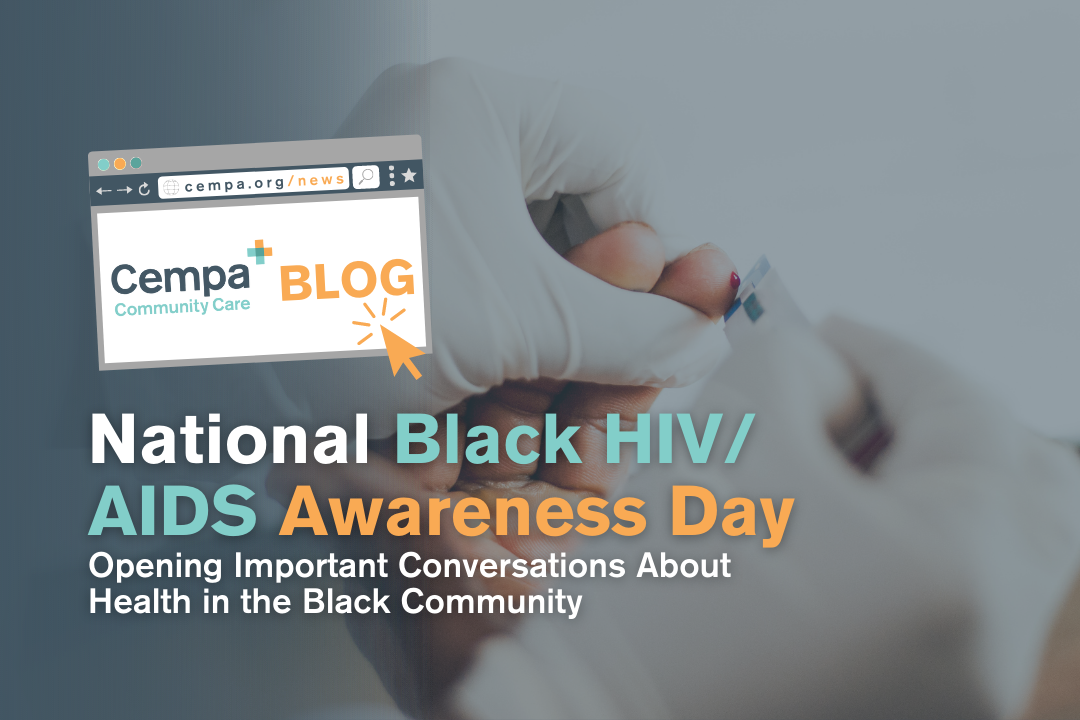
As we shine a light on the achievements of Black Americans during Black History Month and beyond, it’s also worth pausing to consider the health disparities and challenges that this population faces — and what can be done to make positive change.
HIV/AIDS is one challenge that affects Black Americans in disproportionate numbers. In fact, Feb. 7 is designated as National Black HIV/AIDS Awareness Day, created to draw awareness to these conditions and how they can be prevented.
The numbers are pretty startling, particularly when it comes to Black women. Despite representing only 15 percent of the total female population in the United States, Black women account for nearly 60 percent of the HIV/AIDS diagnoses among women.
But why is that? A cultural stigma against talking about sexual health and health in general plays a big role.
“There is a stigma around talking about health in the African-American community in general,” says Caylor Johnson, Talent Acquisition Coordinator at Cempa Community Care. “People always go to the doctor when it’s too late or almost too late, whether it’s for sexual health or regular primary care.”
Because of that, it’s important to teach people that having open conversations about their health and well-being can overcome many challenges. Cempa is taking steps to spread the word about health within the Black community through a group called CempaACT, with Johnson serving as chair.
“The group was created to focus on disparities and outreach in Chattanooga, showing the Black community that they have a resource with Cempa,” Johnson says. “It’s also about helping the community get past the stigma of not talking about healthcare, particularly when it comes to sexual health and mental health. Our ultimate goal is to educate and show African-Americans in the Chattanooga community that it’s OK to be open about healthcare issues and to ask for more help.”
A Specific Outreach About PrEP
While roughly 35,000 people are diagnosed with HIV each year in the United States, the number of cases and deaths has diminished in the past several decades. That’s due to medical innovations, including the creation of a medication regimen known as PrEP.
PrEP, which stands for Pre-Exposure Prophylaxis, is a medication therapy that reduces the risk of acquiring HIV. There are two different PrEP medications approved by the FDA, and when taken as prescribed, they’re over 99 percent effective in preventing HIV.
While these medications are incredibly effective, they’re underused among Black women, in large part due to a common misconception that they’re meant only for gay or bisexual men.
Cempa, through CempaACT and other outreach campaigns, is working to overcome that misconception, spreading the word that others can — and should — take advantage of this preventive tool.
“We are working to promote PrEP and educate Black women about it,” Johnson says. “A lot of people think only gay men can get AIDS, which is clearly untrue. We’re educating people to step beyond that stigma and help them access the preventive care they need.”
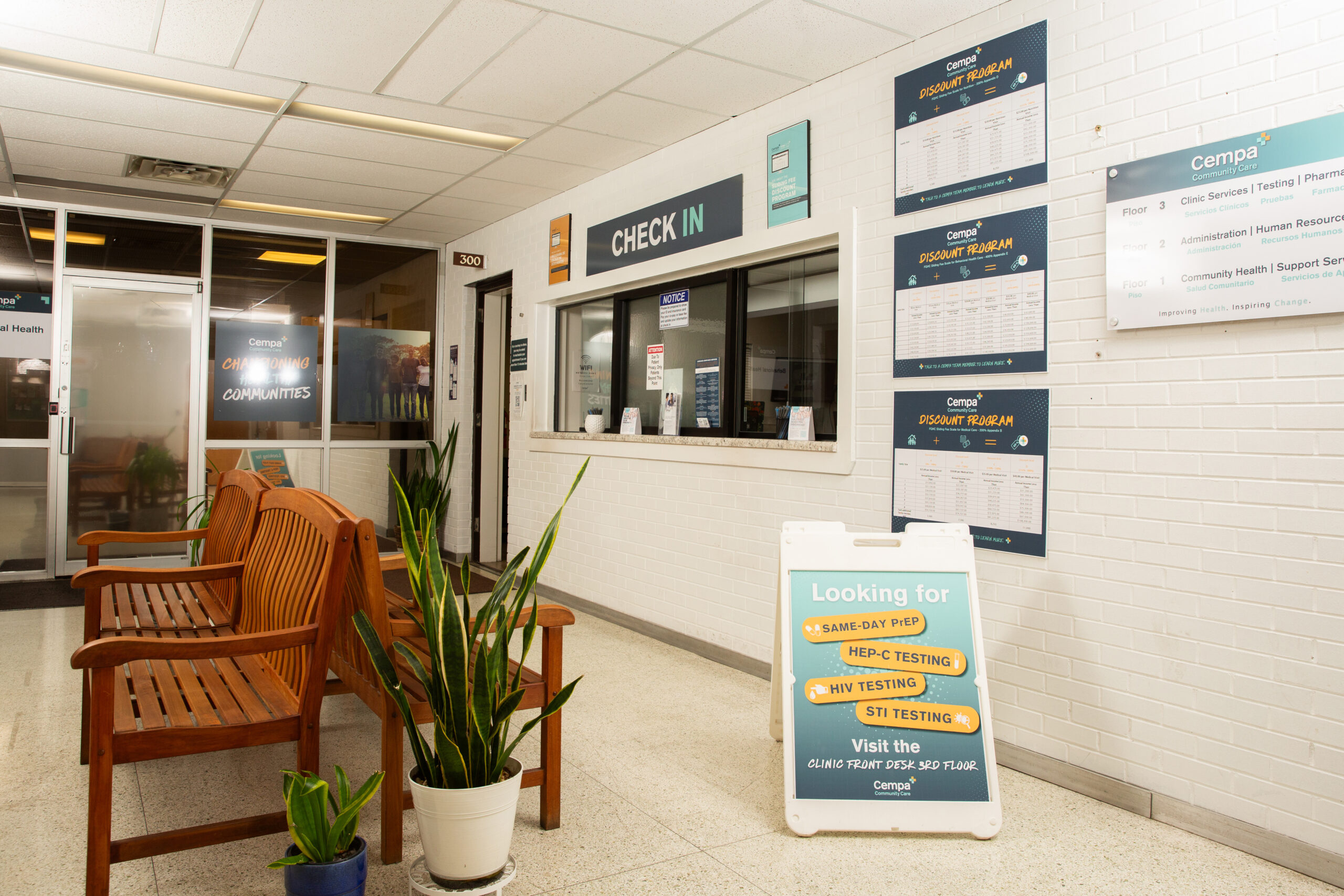
If you’re curious about whether PrEP is an option for you, talk with your medical provider. Any doctor or nurse practitioner can prescribe these medications. But if you don’t have a primary care provider or don’t feel comfortable talking about sexual health with your current doctor, you can also access these medications through Cempa’s PrEP Clinic.
“You can get PrEP in multiple ways,” Johnson says. “Talk with a doctor or a nurse practitioner to request a prescription, or connect with us here at Cempa, and we’ll get you started. I encourage anyone who thinks they can benefit to do a little bit of research into it, because it can be such an effective preventive measure.”
Cempa’s PrEP Clinic can walk you through the process of obtaining PrEP. Check out the PrEP page on our website to access information about the therapy, find contact information for PrEP Navigator Mario Forte, or schedule an appointment.