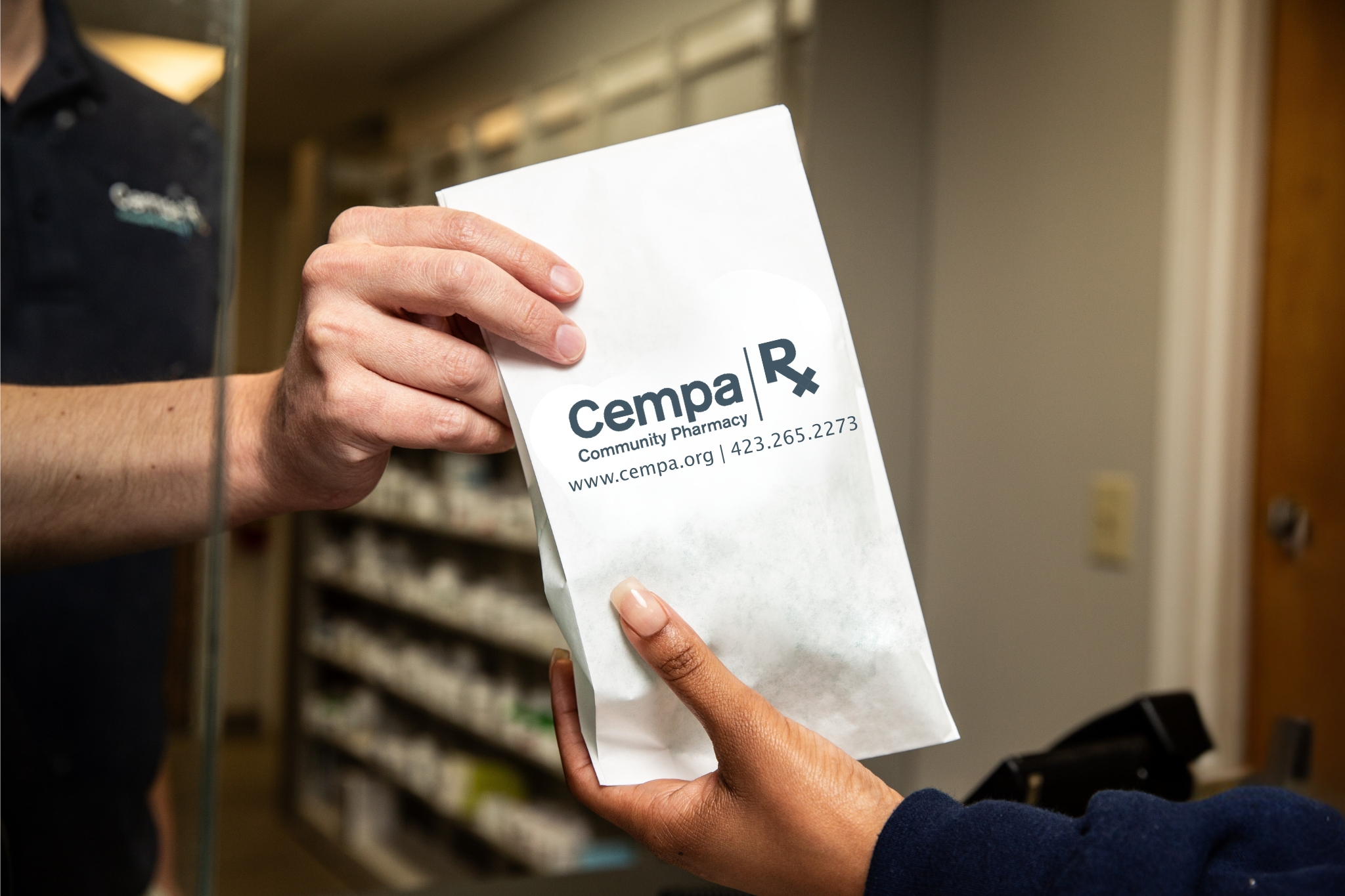
Traveling this summer? Whether your vacation will take you to a location near or far, you’ll want to take prevention along for the ride.
Everyone wants to soak up some summer fun, but it’s also important to look at the big picture: Be sure your actions now protect your health later. For many people in our community, that includes taking medications to prevent sexually transmitted infections, either on a regular basis or in case of exposure.
Having a healthcare provider at Cempa Community Care prescribe those medications and help you access them can be a key part of being responsibly sexually active. Depending on your specific needs, a provider may recommend taking PrEP (pre-exposure prophylaxis) on a regular basis or having emergency PEP (post-exposure prophylaxis) or doxy PEP handy in case of potential exposure.
When these medications are prescribed, your provider and pharmacist can offer specific guidance about how to take them. To stay safe and healthy, it’s important that they be used as directed.
How does this all connect back to summer fun? We’re getting there! When you head out for vacation, you need to think ahead about how you’ll manage your medications during your trip. Keep reading for a few tips.
Best Practices for Traveling With Medications
When you take medications of any kind, they become an essential addition to your packing list. That’s especially true for PrEP and DoxyPEP.
To make sure you stay well-protected during your trip:
- Make sure you have enough medication. If you take PrEP on a daily basis, take along enough medication to cover all the days of your trip, plus a few extra days. If you want to keep emergency PEP or doxy PEP on hand, consult with a medical provider or pharmacist about how much to take with you.
- Take along a prescription, too. While this isn’t usually necessary for travel within the United States, if you’re traveling internationally, you may want to keep a prescription from your medical provider with you. The prescription, or a note from your provider, should outline what the medication is for, how it’s taken, and that it’s for personal use only.
- Consider your destination. While the two tips above should suffice in most cases, prophylactic STI medications (and HIV medications more broadly) aren’t as accepted in certain countries, particularly those in the Middle East. Do a deep dive into the laws in the country where you’re planning to travel so you understand your rights and what’s allowed, and adjust your plans if necessary.
- Keep your medications with you. If you’re traveling by air, your medications should be packed in your carry-on luggage, not checked. If you’re required to check your carry-on before boarding the plane, take your meds out of the bag and carry them with you. Bags can (and do) get lost in air transit, so it’s important to keep your medications with you at all times.
- Stick to the schedule. If you take PrEP daily (or twice daily) at a specific time, you may wonder how to adjust the timing if you’re traveling to another time zone. The good news is that these medications remain in the body for a while as they’re metabolized. In most cases, you can simply continue taking the medication at the same time as you always do — in whatever time zone you’re in. So, if you take your pill each day at bedtime, continue taking it at bedtime. If, however, you’re traveling somewhere that’s more than 12 hours ahead or behind us in time, talk with your medical provider before your trip about how to adjust your meds.
One last tip? While you might be soaking up the summer sun, your medications shouldn’t. Excessive heat and moisture can damage drugs, making them less effective or even unusable. In most cases, they should be OK as you travel, but if you’re spending time outdoors or in a particularly hot climate, you might want to store them in a cooler pack.
We’re here to help you live your healthiest life. At Cempa, we offer integrated healthcare services, including access to ID and STI preventative medications. Visit cempa.org or call us at 423-265-2273 to learn more.