
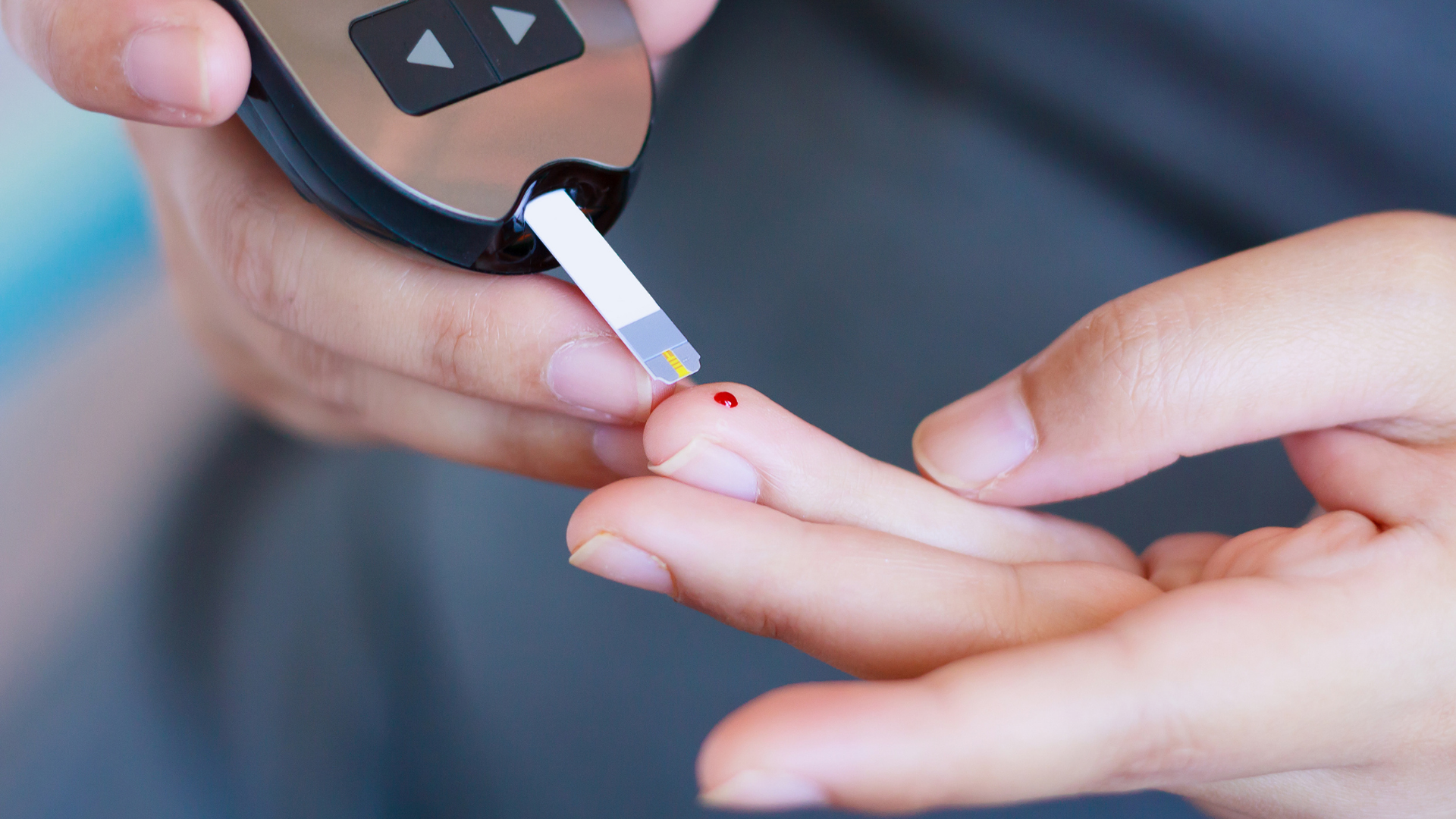
November is National Diabetes Awareness Month, designed to raise awareness about a medical condition that’s common in the United States. How much do you know about diabetes?
According to the Centers for Disease Control and Prevention (CDC), approximately 29.1 million adults in the United States have been diagnosed with diabetes. Many more likely have the condition but have not yet been diagnosed — the CDC estimates that up to 40.1 million people may have diabetes in total.
While diabetes is among the most common medical conditions in the United States, it can often be effectively treated or even prevented in some cases. Here’s what you should know.
Defining Diabetes
Diabetes occurs when your blood glucose (also called blood sugar) is too high. Having too much sugar in the blood can wreak havoc on the body, gradually damaging blood vessels, the heart, other organs, and the nerves.
There are three primary types of diabetes:
- Type 1 diabetes: With Type 1 diabetes, the body isn’t producing insulin or isn’t producing enough insulin, the hormone that helps the body convert sugar into energy. This type of diabetes is thought to be caused by an autoimmune reaction that leads the body to attack the pancreas, which produces insulin.
- Type 2 diabetes: When someone has Type 2 diabetes, the body isn’t using insulin well, leading to high blood sugar. This type of diabetes, which is most common, usually develops over time and can be caused by lifestyle habits, such as being inactive or eating an unhealthy diet.
- Gestational diabetes: This type of diabetes develops during pregnancy. While it usually goes away after pregnancy, women who develop the condition are at a higher risk of developing Type 2 diabetes later in life.
In addition to the types of diabetes, there’s another medical condition called “prediabetes.” It’s exactly what it sounds like — if you’re told you have prediabetes, your blood sugar is higher than normal, but not high enough to meet the diagnostic standard for Type 2 diabetes. At that stage, you can still make changes to your lifestyle that can keep you from developing diabetes.
What Diabetes Might Look or Feel Like
How would you know if you had diabetes? Many people with diabetes don’t develop symptoms, especially at first, or they develop only subtle symptoms.
Symptoms may include:
- Blurry vision
- Extreme fatigue
- Frequent urination
- Intense thirst or hunger
- Slow-healing cuts or bruises
Those with Type 1 diabetes may also experience unexplained weight loss, while Type 2 diabetes may cause numbness or tingling in the hands and feet.
Type 1 diabetes can develop and worsen quickly in some cases, while Type 2 diabetes is more likely to develop over several years. For that reason, it’s more likely to be diagnosed through routine lab work, rather than based on symptoms.
How Diabetes Is Treated
Because Type 1 and Type 2 diabetes have different underlying causes, they are treated in different ways.
Those who have Type 1 diabetes, where the body doesn’t produce sufficient insulin, need to take insulin, either through regular injections or by using an insulin pump. This supplemental insulin takes the place of the insulin the body isn’t producing, helping the body’s cells to process sugar.
Along with insulin, people with Type 1 diabetes may also need other medications to help the body maintain a healthy blood sugar level.
People who have Type 2 diabetes, on the other hand, often don’t require insulin supplementation. Instead, this type of diabetes is treated using a variety of medications, including GLP-1 inhibitors, that help to keep blood sugar in a healthier range.
Anyone who has diabetes can also benefit from living a healthy lifestyle. Exercising regularly, eating a diet that’s low in saturated fat and added sugar, getting enough quality sleep, and managing chronic health conditions are all helpful for lowering blood sugar.
Your Team for Managing Diabetes
If you’ve been diagnosed with diabetes or prediabetes, talk with a medical provider about your next steps. Your provider can create a treatment plan based on your needs and make suggestions about what you can do to prevent complications and maintain good health.
The Care Team at Cempa Community Care may also be able to help you prevent diabetes in the first place. If you’re at a higher risk of developing diabetes due to a family history of Type 2 diabetes or other factors, talking with your providers can help you develop a plan to change your habits and keep your blood sugar in a healthy range.
At Cempa Community Care, we’re committed to helping those in our community maintain good health. We offer comprehensive care, including primary care services and an on-site pharmacy, which can help patients who have diabetes effectively manage the condition.